

 Find Out Your Collection Days
 Jobs at the City
 See Sports, Leisure and Cultural Programming
 Online Requests
 Find a Location
 Contact Us

 Municipal Organization
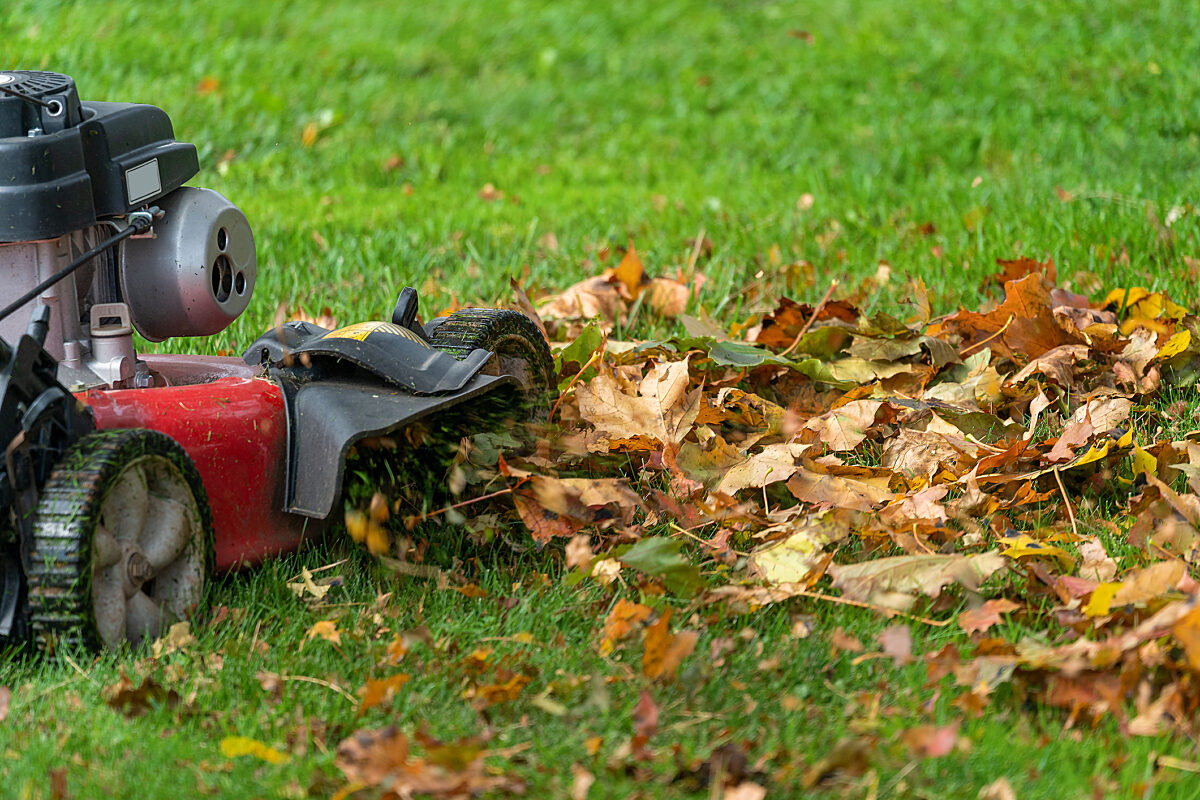
Autumn Leaves: A Natural Ally for Your Yard
Article
Published on November 6, 2026 to 12:12 p.m.
Every autumn, the leaves that fall to the ground play an important role in natural ecosystems. In forests, they form a protective layer that helps roots survive the winter and enriches the soil as they decompose in the spring. Although they are often seen as yard waste to be collected, leaves are actually a valuable resource for the health of your lawn, trees, and landscaped areas.
Leafcycling: A Simple and Beneficial Practice
Leafcycling involves allowing leaves to return to the soil, reproducing the natural cycle found in forest environments. One effective way to do this is by shredding them with a lawn mower. The resulting leaf fragments decompose quickly, enriching the soil with organic matter and nutrients.
For best results, it is recommended to mulch leaves frequently, before they accumulate in a thick layer on the lawn. For best results, mulch leaves directly into your lawn when the layer is no more than 2 inches thick. This helps the leaves break down naturally and keeps your lawn healthy. If you have extra leaves, you can shred them and use them in your vegetable garden or add them to your compost.
However, be careful with leaves from diseased fruit trees. They may contain fungi whose spores can spread disease. It’s best to rake up these leaves rather than leave them on the ground.
Supporting Biodiversity
Leaving some leaves in your garden can also benefit local wildlife. They provide winter shelter for many beneficial insects and pollinators, which in turn contribute to healthy urban ecosystems. However, on lawns, a heavy buildup of wet leaves can restrict air circulation and hinder grass growth. In such cases, it is best to remove some leaves while leaving the rest in garden beds or under trees.
A Valuable Resource for Your Garden
Fallen leaves can be reused in a variety of ways. Once dry, they can serve as mulch in flower beds or around trees and shrubs. This natural ground cover helps retain soil moisture, reduce weed growth, and protect certain perennial plants during the colder months.
Sources :


