

 Find Out Your Collection Days
 Jobs at the City
 See Sports, Leisure and Cultural Programming
 Online Requests
 Find a Location
 Contact Us

 Health and Safety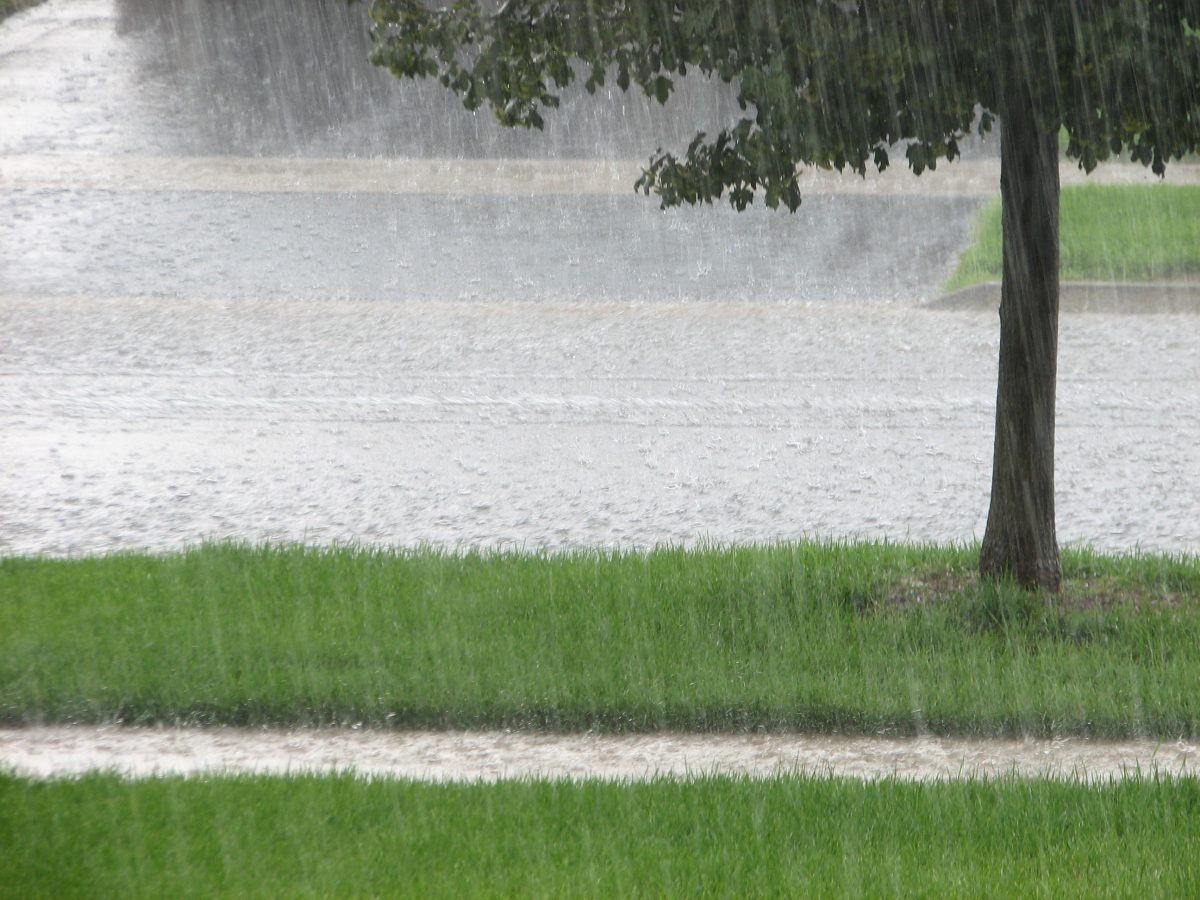

What is a severe thunderstorm event?
A thunderstorm consists of lightning and thunder and is often accompanied by heavy rain.
Certain signs can indicate that a thunderstorm is approaching, watch for: dark, towering clouds, sudden changes in wind conditions, and rapid temperature fluctuations. High temperatures, elevated humidex values, and heat waves can create favourable conditions for severe thunderstorms and sudden heavy rainfall.
A thunderstorm may produce lightning, hail, strong winds, or even tornadoes. It can develop quickly, cause significant damage, and pose serious risks to public safety.
What should you do before, during and after a thunderstorm or heavy rainfall event?
Before a thunderstorm
- Prepare your 72-hour emergency kit, or make sure your existing kit is complete and up to date.
- Postpone outdoor activities whenever possible.
- Monitor weather alerts and warnings in effect.
- Secure or anchor any items that could be blown away by strong winds (patio furniture, barbecues, collection bins, etc.).
- Schedule tree pruning work to help reduce the risk of damages.
During a thunderstorm
During a thunderstorm, take shelter inside a building and make sure all windows are closed. It is also important to keep pets indoors.
If you are indoors
- Stay away from doors and windows.
- Unplug electrical devices to protect them from power surges.
- Avoid contact with objects that conduct electricity, including electronic devices, household appliances, and metal objects such as sinks, radiators, and pipes.
- Temporarily reduce your water use (toilets, showers, washing machines, dishwashers, etc.), especially if the storm is accompanied by heavy rainfall.
- Wait at least 30 minutes after the last clap of thunder before going outside.
If you are outdoors
- Never take shelter under trees.
- Avoid open fields, elevated areas, and exposed locations.
- Stay away from power lines and conductive objects.
- Avoid all water-related and boating activities. If you are already on the water, return to shore as quickly as possible.
While travelling
- Avoid travel during a thunderstorm whenever possible, or postpone your trip.
- If you are driving, find a safe place to stop away from trees and power lines.
- Remain inside your vehicle until the storm has passed.
- If a power line falls onto your vehicle, stay inside and call emergency services.
After a thunderstorm
- Inspect your property for damage (roof, vegetation, power lines, debris, etc.).
- Cut and remove damaged tree branches. If branches are near power lines, contact Hydro-Québec.
- Use caution when cleaning up your property, as debris may be sharp or hazardous.
What are the potential risks of a thunderstorm?
Risks to your health
- Direct or indirect lightning strikes
- Severe burns
- Cardiac, neurological, hearing, or vision problems
- Cardiac arrest or death
Risks to your safety
- Structural fires or wildfires
- Falling branches or trees
Risks to your home
- Flooding and sewer backups
- Damage to roofing or exterior cladding
When should you seek help and who should you contact?
Anyone who has been struck by lightning should seek medical attention, even if they have no visible injuries or symptoms.
Emergency services – 911
If someone is struck by lightning, call 911 immediately. Before providing assistance, make sure there is no danger to you, such as downed power lines, broken glass, or other hazards.
A person who has been struck by lightning does not carry an electrical charge and can be touched safely.
If the person is not breathing, you can begin cardiopulmonary resuscitation (CPR) and rescue breathing if you are trained to do so.
What is the City's role?
The City continuously monitors weather conditions to anticipate situations that may pose a risk.
If a severe weather event occurs, the City will mobilize its teams and deploy the necessary resources to reduce impacts on the community and support residents.
Stay Informed of the Situation
To stay informed and follow the latest instructions:
- Check the Notices and Alerts section of the City's website.
- Follow the City's Facebook page.
- Subscribe to the City's automated alert system.
Additional resources
- How to Protect Yourself During a Severe Thunderstorm [City of Montréal]
- Thunderstorms and Lightning [Government of Québec]
Comment se protéger durant un orage violent [Ville de Montréal]
Orage et foudre [Gouvernement du Québec]


