
 Find Out Your Collection Days
 Jobs at the City
 See Sports, Leisure and Cultural Programming
 Online Requests
 Find a Location
 Contact Us

 Health and Safety

What Is a Heat Wave?
For a period of hot weather to be classified as a heat wave in Pointe-Claire, it must meet the following criteria:
- Three consecutive days during which the average daily maximum temperature reaches 33°C and the average daily minimum temperature remains at or above 20°C
- The temperature does not fall below 25°C for two consecutive nights.
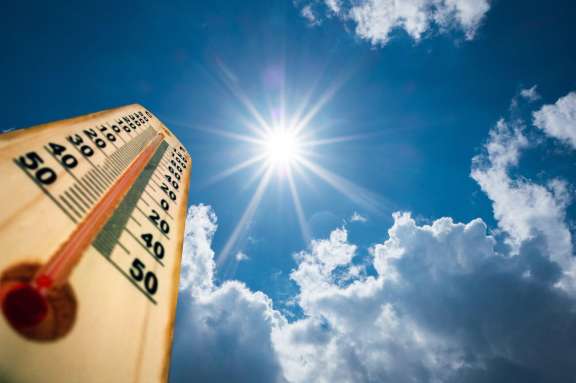
What to Do Before, During, and After a Heat Wave
During periods of extreme heat, it is important to take precautions to protect yourself, your loved ones, and your pets.
Before a Heat Wave
- Prepare your 72-hour emergency kit, or make sure your existing kit is complete and up to date
- Reschedule outdoor activities, if possible
- Monitor current weather alerts and warnings. You can also subscribe to the Québec government’s Conseils Climat alerts.
- Identify nearby air-conditioned or cool public places where you can go if needed
During a Heat Wave
Prolonged exposure to extreme heat can have serious health impacts. Take proactive steps to stay safe.
General Tips
- Drink water regularly, even if you do not feel thirsty
- Wear lightweight, light-coloured clothing
- Avoid spending long periods outdoors
- Limit strenuous physical activity and exertion
- Spend time in air-conditioned buildings whenever possible
- Limit alcohol, caffeine, and sugary drinks, as they can contribute to dehydration
- Check in regularly on family members, friends, neighbours, and others who may be vulnerable
Travel
- Plan travel during the coolest parts of the day
- If using a vehicle, ensure the air conditioning is working properly
- Carry a water bottle and stay hydrated
- Monitor your vehicle’s temperature gauge to prevent overheating
Outdoor Work
- Drink water frequently throughout the day
- Take regular breaks in a cool or shaded areas
- Follow your employer’s heat-safety procedures and CNESST recommendations to reduce health risks
Consult the CNESST's recommendations
Pets
- Ensure pets have access to fresh water at all times
- Limit outdoor activities to cooler periods, such as early morning or evening
- Keep pets in a cool or air-conditioned environment whenever possible
- Never leave a pet unattended in a vehicle, even for a short time
- Avoid hot surfaces such as asphalt, which can burn their paws
- Watch for signs of heat stress, including excessive panting, difficulty breathing, or unusual fatigue. If your pet shows signs of heat stroke or other unusual symptoms, contact a veterinarian immediately
Keeping Your Home Cool
- Keep windows, blinds, and curtains closed during the day
- Ventilate your home at night or early in the morning when outdoor temperatures are lower
- Minimize the use of heat-generating appliances such as ovens, stoves, and lamps
- Improve air circulation with portable or ceiling fans
What Are the Potential Risks of a Heat Wave?
Health Risks
- Heat exhaustion (fatigue and weakness)
- Heat stroke, a serious medical emergency
- Dizziness
- Fainting
- Nausea or vomiting
- Dehydration (dry mouth, excessive thirst, reduced urine output)
- Headaches
- Confusion or difficulty concentrating
Safety Risks
- Reduced air quality, which can worsen respiratory conditions
- More difficult working conditions and increased health risks for people working outdoors or in hot environments
Risks to Your Property
- Electrical overloads due to high energy demand
- Power outages
- An increased risk of fires
When to Seek Help and Who to Contact
Info-Santé 8-1-1
Contact Info-Santé (8-1-1) if you or a family member are experiencing symptoms or have concerns related to the heat, such as:
- Feeling weak, dizzy, or unusually tired
- Experiencing heat-related headaches
- Feeling mildly nauseous
- Showing signs of mild dehydration
Emergency Services 9-1-1
Call 9-1-1 immediately if you or a family member experience any serious symptoms that may indicate heat stroke or another medical emergency, including:
- Disorientation or confusion
- A severe headache or intense migraine
- Difficulty breathing or chest pain
- Stopping sweating or showing other signs of severe dehydration
- Difficulty speaking
- Feeling faint, losing consciousness, or being on the verge of passing out
What Is the City's Role?
The City continuously monitors weather conditions to anticipate potential risks and respond quickly to extreme heat events.
When a heat wave is forecast or occurs, the City mobilizes its teams and implements measures to reduce the impacts on the community and support residents.
These measures may include:
- Opening cooling centres in air-conditioned municipal buildings
- Extending the operating hours of splash pads
- Implementing measures to improve access to municipal swimming pools
Stay Informed of the Situation
To stay informed and receive the latest updates and safety instructions:
- Visit the Notices and Alerts section of our website
- Follow our Facebook page for updates
- Sign up for our automated alert system
Additional Resources
- Tips to follow during a heat wave [Ville de Montréal]
- Extreme heat [Gouvernement du Québec]
- Évaluer le niveau de risque par temps chaud [CNESST]
- Conseils climat [Gouvernement du Québec]


