Debunking Common Misconceptions
1. If streets are filling with water, it is because the sewer pipes are too small. We just need to make them bigger.
It is not that simple.
The stormwater system was designed according to realistic standards based on the typical rainfall at the time it was built. During intense or exceptional rainfall events, the volume of water can exceed this capacity, as it does in all cities. Enlarging pipes can sometimes help, but it requires major and costly work and does not solve every issue. A combined approach that includes natural solutions and changes in habits is often more effective and sustainable.
2. Trees and greenery do not make a difference.
On the contrary.
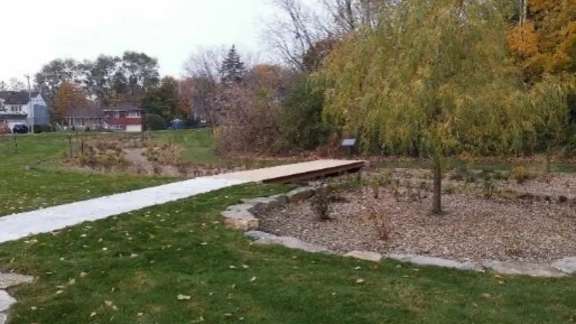
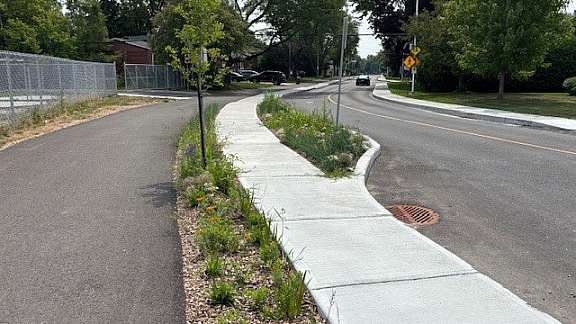
Trees, plants, permeable soils and green infrastructure, such as rain gardens and vegetated swales, help slow and absorb water. Tree leaves temporarily retain some of the rain, which then reaches the ground more slowly. This reduces the rate of runoff and eases pressure on the system. It is a natural and effective solution that complements underground pipes.
3. If there is too much rainwater, it is because of new condos.
New buildings are not the direct cause.
They must comply with strict stormwater management regulations, including retention systems on their property. The challenge is more related to the intensification of rainfall, the aging of the system in certain areas and the fact that older developments were not designed for these conditions.
4. We had a year since the Debby storm to fix this.
Stormwater management takes time.
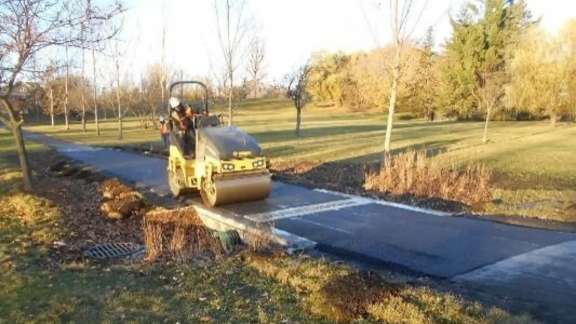
Analyzing the impacts of an event, planning solutions, securing budgets, designing the work and carrying it out cannot be done in just a few months. The City is taking action, but some projects require several steps and take place over a number of years.
5. It was an exceptional event.
Yes, and these events are becoming more frequent.
Even though intense rainfall may seem rare, this type of event is happening more and more often because of climate change. The system therefore needs to adapt to this new reality, as do residents.
6. We just need to improve the sewers.
This is already underway, but it is only part of the solution.
The City maintains and modernizes certain sections of the system, but it is also focusing on prevention, urban planning and resident collaboration to build overall resilience.
7. This is only the City’s problem.
The City has an important role to play, but it cannot do everything alone.
Every resident can take concrete steps to protect their property: maintaining gutters, installing and maintaining a backwater valve, directing water away from the foundation, building a rain garden and more. Flood resilience is a collective effort.


 Find Out Your Collection Days
 Jobs at the City
 See Sports, Leisure and Cultural Programming
 Online Requests
 Find a Location
 Contact Us

 Infrastructure, Public Utilities and Traffic